

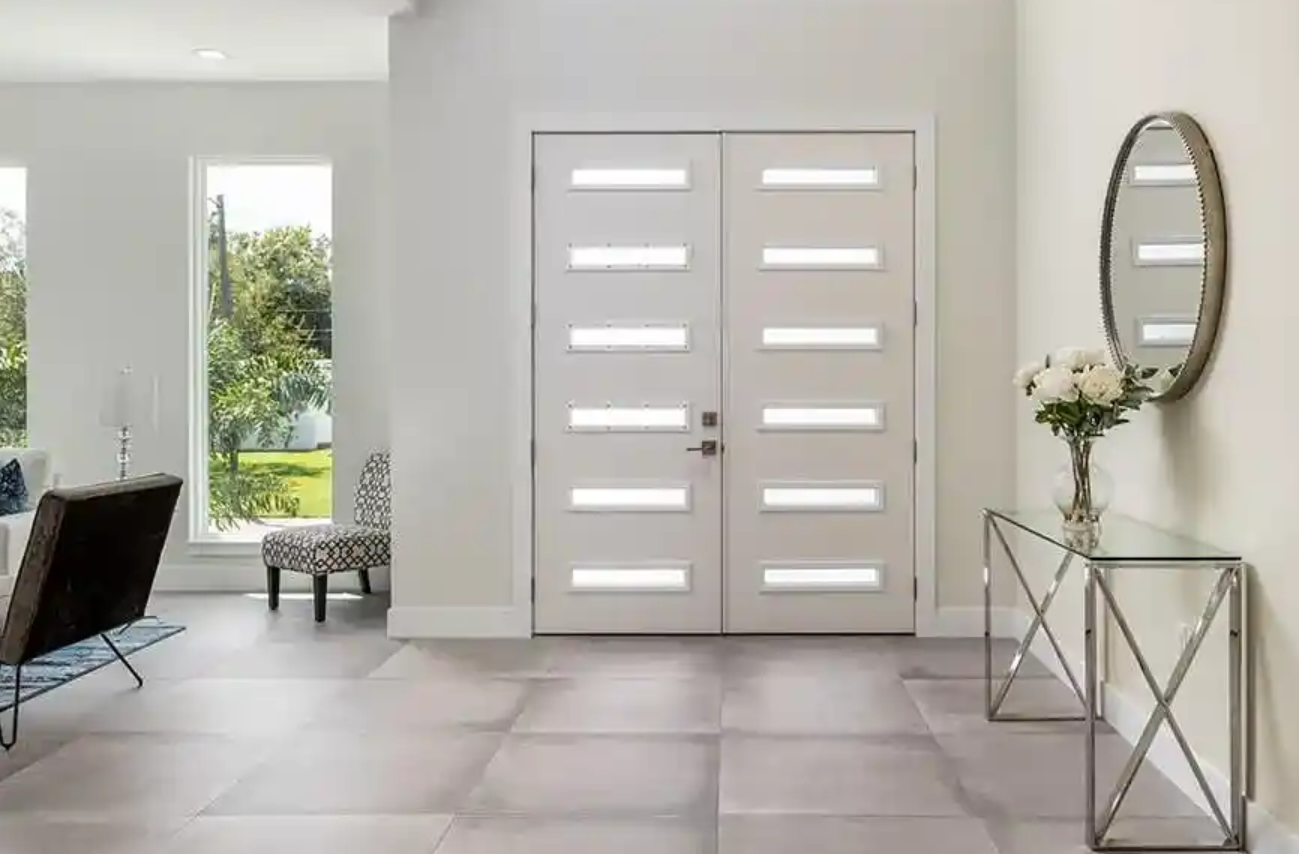
Are you concerned about how your future custom home will perform during hurricanes? If you're planning to build in Largo or anywhere along Florida's Gulf Coast, this concern isn't just reasonable—it's essential. Hurricane season arrives every year from June through November, and while not every season brings direct impacts, the question isn't if another major storm will affect our region, but when.
The good news? Modern engineering and construction techniques allow us to build custom homes that not only survive hurricanes but maintain their structural integrity and protect your family through even the most severe storms. The difference between homes that suffer catastrophic damage and those that weather storms with minimal issues comes down to design decisions, engineering specifications, and construction quality.
At Bettencourt Construction, we've been building luxury custom homes along Florida's Gulf Coast for over 30 years. We've built through multiple hurricane seasons, witnessed how different construction approaches perform during major storms, and refined our methods based on three decades of real-world experience. We've also renovated homes where builders cut corners on hurricane protection—expensive lessons that inform how we build every new home.
This guide explains what truly makes a custom home hurricane-resistant, what you should specify during the design phase, which features provide the best protection for your investment, and how to ensure your Largo custom home withstands whatever storms the Gulf of Mexico sends our way.
Whether you're in the early planning stages or finalizing construction documents, understanding these principles helps you make informed decisions that protect both your family and your investment for decades to come.
Largo's location in central Pinellas County provides certain advantages compared to barrier island communities, but it's still firmly within Florida's hurricane-prone region. The Tampa Bay area sits in what meteorologists call a particularly vulnerable position—a deep bay oriented northwest to southeast that can funnel storm surge, with a densely populated coastline that hasn't experienced a direct hit from a major hurricane since 1921.
This century-long gap has created both complacency and outdated infrastructure in some areas. Many older homes were built before modern hurricane codes existed. But this gap has also allowed building science to advance tremendously. Today's Florida Building Code represents some of the most stringent hurricane-resistant construction standards in the world, informed by decades of research and post-storm building performance analysis.
According to NOAA's National Hurricane Center, the Tampa Bay region faces significant hurricane risk despite the long quiet period. The area's population has exploded since 1921, placing hundreds of thousands of people in the storm's potential path. This makes proper hurricane-resistant construction not just advisable but essential for any new custom home.
Hurricanes don't damage homes through a single mechanism—they attack structures through multiple simultaneous forces:
Wind pressure and uplift: Sustained winds create enormous pressure against walls and roofs. More dangerously, wind flowing over roofs creates uplift forces trying to literally lift the roof off the structure. A Category 3 hurricane with 120 mph winds creates uplift forces exceeding 40 pounds per square foot—meaning a 2,000 square foot roof experiences over 80,000 pounds of upward force.
Wind-borne debris: Hurricane winds turn ordinary objects into projectiles. Roof tiles, lumber, patio furniture, and vegetation become missiles capable of penetrating windows, walls, and roofs. A typical 2x4 board traveling at 100+ mph carries enough energy to penetrate standard windows and even some wall systems.
Rain infiltration: Hurricanes dump extreme rainfall—sometimes 10-20+ inches in hours. If wind breaches your building envelope, this water enters your home, causing extensive damage to interiors, electrical systems, and creating conditions for mold growth.
Storm surge and flooding: While Largo sits inland from the Gulf, major hurricanes can push water miles inland. Pinellas County's relatively flat topography and proximity to Tampa Bay mean storm surge remains a concern even away from immediate coastlines.
Duration of exposure: Unlike tornadoes that strike briefly, hurricanes subject homes to severe conditions for hours. Your home must maintain integrity through extended exposure to extreme forces.
Understanding these varied threats helps explain why comprehensive hurricane protection requires attention to multiple building systems, not just one or two features.
Florida divides the state into different wind zones based on historical storm data and geographic exposure. Largo falls within a high-wind zone requiring design for sustained wind speeds of 150+ mph, with certain exposures requiring design for even higher speeds.
The Florida Building Code doesn't just specify wind speed—it mandates specific engineering approaches:
Wind load calculations: Structural engineers must calculate actual forces your specific home will experience based on its design, height, roof geometry, and site exposure. A simple gable roof experiences different forces than a complex hip roof with multiple valleys.
Component and cladding requirements: Every exterior element—windows, doors, siding, roofing—must be rated for the specific wind pressures at its location on your home. Corner and ridge areas experience higher pressures than central wall sections.
Continuous load path: Perhaps most critically, the code requires a continuous load path from roof to foundation. Every connection must be engineered to transfer wind forces down through the structure to the ground. The weakest link in this chain determines your home's performance.
Testing and certification: Many components must carry certification from Florida Product Approval demonstrating they've been tested to Florida's standards. This applies to windows, doors, roof coverings, and structural connectors.
These requirements form the minimum standard. Smart builders often exceed code minimums in critical areas, providing additional protection margin.
Your foundation does more than support your home's weight—it must resist lateral forces (horizontal pushing) and uplift forces trying to overturn the structure. This requires engineering beyond typical residential construction:
Reinforced concrete foundations: Largo custom homes typically use reinforced concrete slab-on-grade foundations with steel reinforcement throughout. The reinforcement isn't just for cracking control—it creates tensile strength allowing the slab to resist overturning forces.
Deep embedment and proper footings: Perimeter footings must extend deep enough to mobilize adequate soil resistance. In Pinellas County's sandy soils, this often means footings 18-24 inches below grade with widened bearing areas.
Hurricane straps and hold-downs: Metal connectors physically bolt your home's framing to the foundation. These engineered connections are specified by your structural engineer based on calculated uplift forces. Proper installation is crucial—we've seen homes where contractors used wrong fasteners or incorrect spacing, compromising the entire system.
Anchor bolt spacing and sizing: The bolts connecting your sill plate (bottom wall framing member) to the foundation must be sized and spaced per engineering. Typical requirements call for 5/8" or 3/4" anchor bolts at 4-6 feet on center, but higher uplift areas may require closer spacing.
Your foundation represents your home's first line of defense. Cutting corners here compromises every other hurricane-resistant feature. At Bettencourt Construction, we never deviate from engineering specifications for foundation work—it's simply too important.
The framing skeleton determines whether your home stays together or comes apart during a hurricane. Modern hurricane-resistant framing involves engineering every connection:
Engineered lumber and trusses: Today's structural lumber is stronger and more consistent than historic dimensional lumber. Engineered products like LVL (laminated veneer lumber) beams and engineered roof trusses provide superior performance. Roof trusses undergo specific engineering analysis for your home's wind exposure.
Hurricane clips and straps: Metal connectors tie every framing intersection. These aren't optional decorative elements—they're engineered components specified by your structural engineer. Common types include:
Continuous load path verification: This critical concept means wind forces hitting your roof can transfer completely down through walls, through floor systems, and into the foundation without any weak links. Achieving this requires careful engineering and installation. Building inspectors verify this load path at multiple construction stages.
Wall sheathing and fastening: Exterior wall sheathing (typically OSB or plywood) must be fastened per engineering specifications. Edge nailing—fasteners along panel edges—is specified differently than field nailing in panel centers. Proper fastener type, size, and spacing matter enormously.
Advanced framing techniques: While traditional 16" on-center framing works well, some designs benefit from closer spacing or engineered wall systems in high-load areas. Your structural engineer determines appropriate approaches.
We work exclusively with structural engineers who specialize in Florida coastal construction. They understand wind load calculations, soil conditions, and connection requirements specific to our region. This expertise ensures your custom home in Largo receives proper engineering from the start.
More hurricane damage occurs to roofs than any other building component. Wind forces on roofs are tremendous, and roof failure often leads to complete home destruction as wind and rain enter the structure. Hurricane-resistant roof design requires attention to multiple factors:
Roof geometry considerations: Roof shape significantly affects wind performance:
That said, you don't have to sacrifice aesthetics for performance. Skilled architects design beautiful roofs that also perform well. But understanding these principles helps inform design decisions.
Roof sheathing and attachment: The roof deck (typically 5/8" OSB or CDX plywood) must be attached with ring-shank nails at specific spacing—typically 6" on center along edges and 12" in the field, though specifications vary by engineering. These fasteners literally hold your roof onto your home during hurricane forces.
H-clips between panels: Metal clips installed between sheathing panels prevent panel edges from lifting between rafters. Some engineers now specify tongue-and-groove sheathing instead, providing even better edge support.
Self-adhering underlayment: Traditional felt paper underlayment has given way to self-adhering synthetic underlayments that seal around fasteners and provide superior water protection. If wind breaches your roof covering, this layer prevents water infiltration.
Secondary water barrier: Florida Building Code requires a secondary water barrier—a fully-adhered waterproof membrane—under all roof coverings in high-wind zones. This provides crucial protection if wind removes roof tiles or shingles.
Roof covering selection and installation: Your final roof covering must be rated for High-Velocity Hurricane Zone (HVHZ) conditions:
Proper attic ventilation: Proper ventilation prevents pressure buildup in attics that can contribute to roof failure. Ridge vents, soffit vents, and gable vents must be properly balanced and rated for wind-driven rain protection.
Windows and doors represent your building envelope's most vulnerable points. If wind breaches these openings, interior pressure increases dramatically, making roof failure much more likely. Protecting these openings is critical:
Impact-resistant glazing requirements: Largo falls within the High-Velocity Hurricane Zone requiring all windows and exterior doors to resist wind-borne debris impacts. You have two code-compliant options:
Window and door pressure ratings: Beyond impact resistance, windows and doors must resist positive (inward pushing) and negative (outward pulling) wind pressures specific to their location on your home. Corner windows experience higher pressures than center-of-wall windows. Your structural engineer or window supplier determines appropriate ratings.
Proper installation details: The best windows fail if installed improperly. Installation must follow manufacturer specifications and Florida Building Code requirements:
Door considerations: Exterior doors present special challenges. Entry doors must resist both impact and wind pressure while maintaining proper operation. Garage doors represent particularly large openings requiring substantial reinforcement. Many engineers now specify hurricane-rated garage doors with reinforced panels and additional bracing.
At Bettencourt Construction, we exclusively use impact-resistant glass for all windows and exterior doors in our custom homes. The added investment ($15,000-35,000 depending on home size) provides enormous peace of mind, eliminates shutter hassles, and delivers insurance premium reductions that partially offset the cost over time.
Your exterior walls must resist wind pressure, prevent water infiltration, and maintain integrity if debris strikes them:
Wall assembly design: Modern hurricane-resistant walls typically include:
Cladding material selection for coastal environments:
Fiber cement siding: Excellent choice for Largo custom homes. Resists salt air corrosion, termites, rot, and impact damage. Properly installed fiber cement siding (brands like James Hardie) performs exceptionally well in hurricanes. Requires painting but maintains appearance well. 30-50 year lifespan.
Masonry (stucco over block or concrete): Traditional Florida construction approach. Extremely durable and wind-resistant. Stucco must be properly installed with correct layers and reinforcement. Requires skilled installers but delivers excellent long-term performance. 50+ year lifespan.
Brick or stone veneer: Provides excellent durability and aesthetic appeal. Must be properly anchored to structure and detailed to prevent water penetration behind veneer. Premium material choice with excellent wind resistance. 75-100+ year lifespan.
Vinyl siding: While less expensive, vinyl siding is less suitable for hurricane zones. Wind can get behind panels and strip them off. Impact resistance is lower. If choosing vinyl, specify thicker gauges and ensure exceptionally thorough installation.
Proper flashing and weather-resistant barriers: These hidden elements prevent water infiltration:
Some luxury custom homes in Largo utilize concrete block or insulated concrete form (ICF) construction for superior hurricane resistance:
Concrete block construction: Traditional Florida building method. Concrete block walls reinforced with rebar and concrete-filled cells create extremely strong, wind-resistant walls. Offers superior impact resistance and virtually eliminates wood rot and termite concerns. More expensive than frame construction but delivers unmatched durability.
ICF (Insulated Concrete Forms): Modern system using foam forms that stay in place after concrete pour, creating insulated concrete walls. Combines concrete's strength with excellent energy efficiency. ICF walls routinely survive direct hurricane hits with minimal damage. Premium construction method offering numerous benefits beyond hurricane resistance.
Advantages: Concrete construction provides unparalleled hurricane resistance, superior energy efficiency, excellent sound control, and virtually maintenance-free exterior walls. Insurance companies often provide premium discounts for concrete construction.
Cost implications: Concrete construction typically costs 12-18% more than wood frame for comparable homes. Many families building in hurricane-prone areas consider this premium worthwhile for the protection and longevity benefits.
Every custom home in Largo requires structural engineering, but the quality of that engineering varies enormously. Your structural engineer must understand:
Florida-specific wind load calculations: Wind load analysis for Florida differs from other regions. Engineers must account for sustained winds, gust factors, exposure categories, and topographic effects. Computerized analysis models these complex interactions.
Pinellas County soil conditions: Foundation design must account for local soil bearing capacity, water table depth, and settlement potential. Engineers should request geotechnical reports for custom home sites, though some builders skip this crucial step to save money.
Connection details and load paths: Engineering drawings must specify every critical connection—not just generic details but specific fastener types, sizes, and spacing for your home's design.
Materials suited to coastal environments: Experience with marine-grade fasteners, corrosion-resistant hardware, and materials proven in salt-air conditions.
At Bettencourt Construction, we partner with structural engineering firms that specialize exclusively in coastal Florida construction. They've engineered thousands of homes in hurricane-prone regions and understand exactly what the Florida Building Code requires and what performs well in real-world storm conditions.
Pinellas County maintains a thorough permitting process that reviews your construction documents for code compliance:
Structural plan review: County reviewers verify that structural drawings comply with Florida Building Code requirements. They check wind load calculations, connection specifications, and critical structural details. This review typically takes 3-4 weeks for initial review, with revision cycles adding time.
Energy code compliance: Florida's energy code has become increasingly stringent. Your plans must demonstrate compliance with insulation values, window performance, HVAC sizing, and other efficiency requirements.
Flood zone verification: The county verifies your property's flood zone designation and ensures your design complies with elevation requirements if applicable.
Multiple inspection stages: During construction, county inspectors verify compliance at critical stages:
This rigorous oversight protects homeowners. While sometimes frustrating when inspectors request changes, this process ensures your home is built to life-safety standards. We've renovated homes built in jurisdictions with lax oversight—the hidden defects cost far more than proper initial construction.
The Florida Building Code requires many components to carry Florida Product Approval—certification that products have been tested to Florida's standards:
Impact-resistant windows and doors: Must have "NOA" (Notice of Acceptance) numbers verifying impact and pressure testing.
Roof coverings: Shingles, tiles, metal roofing, and underlayments must be tested and approved for use in HVHZ areas.
Structural connectors: Hurricane straps, hold-downs, and other metal connectors must be engineered and tested.
Exterior doors: Entry and garage doors must carry pressure and impact ratings.
Your builder should verify all these approvals before installation. During permitting, you'll submit product approval documentation proving compliance. County inspectors may check approval numbers on products during construction.
Hurricanes often cause extended power outages—sometimes weeks in severe storms. While not directly related to structural storm protection, backup power dramatically improves your post-storm experience:
Standby generators: Permanently installed natural gas or propane generators that automatically activate during power loss. Sized to power essential circuits or the entire home depending on capacity. Quality systems from Generac, Kohler, or Cummins cost $12,000-25,000 installed including transfer switch and fuel supply.
Critical circuits: Even if not powering your entire home, generators should cover:
Fuel considerations: Natural gas generators are convenient but depend on utility supply continuing. Propane tanks provide independence but require periodic refilling. Diesel generators offer excellent reliability but higher cost.
We increasingly recommend whole-home generator systems for luxury custom homes in Largo. The investment provides enormous value during extended outages, which have become more common as storms intensify.
Modern technology allows you to monitor your home remotely during storms:
Water detection systems: Sensors placed throughout your home alert you to leaks or flooding. If you evacuate during a hurricane, these systems notify you of water intrusion requiring response.
Environmental monitoring: Smart sensors track temperature, humidity, and air quality. If your HVAC fails post-storm, you'll know mold-inducing conditions are developing.
Security cameras: Remote monitoring lets you check your property after storms without immediately returning. You can assess damage and prioritize response.
Smart shutoff valves: Automated water main shutoffs protect against burst pipes or plumbing failures while you're away.
These systems integrate with platforms like Control4, Savant, or simpler consumer options like Ring and Nest. Investment ranges from $2,000-15,000+ depending on comprehensiveness.
While Largo sits inland from the Gulf, smart builders incorporate elevation strategies even in minimal flood zones:
Raised first floor elevations: Elevating your first floor 1-2 feet above minimum requirements costs $12,000-25,000 but provides substantial benefits:
Proper grading and drainage: Site grading should direct water away from your foundation. French drains, catch basins, and proper swale design prevent water accumulation near your home.
Sump pumps: In areas with high water tables, sump pump systems remove water before it causes problems. Battery backup systems maintain operation during power loss.
Smart home design includes features facilitating hurricane preparation:
Generator pad: Pre-installed concrete pad with gas line stub-out allows future generator installation even if not included initially.
Shutter tracks or fasteners: If using shutters instead of impact glass (typically for budget reasons), permanently installed tracks or fastener inserts speed deployment.
Storm supply storage: Dedicated closet or storage area for hurricane supplies—batteries, flashlights, water, non-perishable food, first aid supplies, important documents.
Safe room design: While expensive ($8,000-25,000+), purpose-built interior safe rooms provide ultimate protection. Constructed with concrete or reinforced walls, hardened doors, and separate ventilation, they offer FEMA 361 compliant shelter.
Insurance companies recognize and reward hurricane-resistant construction features through premium discounts:
Impact-resistant windows: 10-20% premium reduction
Hurricane-resistant roof covering: 10-30% reduction depending on rating
Concrete block or ICF construction: 15-25% reduction
Continuous load path documentation: Additional 5-10% for engineered connections verified through inspections
Opening protection: Shutters or impact glass on all openings—significant discount
Wind mitigation inspections: After construction, you can hire certified inspectors to document your home's hurricane resistance features for insurance companies. This inspection ($150-300) generates a report that often yields premium reductions of 30-50% or more.
For a $750,000 Largo custom home, annual insurance might cost $12,000 without discounts but only $7,000-8,000 with proper documentation of hurricane features. Over 20 years, these savings ($80,000-100,000+) substantially offset the initial cost of superior construction.
Hurricane-resistant features increasingly influence buyer decisions:
Buyer priorities: Florida home buyers, especially those experienced with hurricanes, prioritize protection features. Impact windows, concrete construction, and proper engineering are major selling points.
Appraisal value: Appraisers recognize hurricane-resistant features when determining property value. Superior construction justifies higher valuations.
Market positioning: Homes with documented hurricane protection stand out in listings. The ability to tout "impact-resistant windows throughout," "engineered for 170 mph winds," or "concrete block construction" differentiates your property.
Reduced buyer concerns: Buyers worry about hurricane risk when considering Florida real estate. Demonstrating superior protection alleviates a major objection and facilitates smoother transactions.
The premium you pay for excellent hurricane-resistant construction isn't just an expense—it's an investment that protects your family and enhances your property's long-term value.
Hurricane-resistant construction features typically deliver superior longevity:
Impact-resistant windows: The laminated glass lasts decades without the yellowing or delamination that plagued early versions. You're getting 30-40+ year windows.
Metal or concrete tile roofing: These premium materials last 40-60+ years versus 20-30 for architectural shingles. Fewer replacements mean lower lifetime cost.
Corrosion-resistant fasteners and connectors: Marine-grade hardware doesn't rust and fail, eliminating the expensive repairs common in homes where builders used standard fasteners.
Quality exterior materials: Fiber cement siding, masonry walls, and properly detailed assemblies require less maintenance and perform better for decades.
Properly engineered structures: Homes built to proper standards don't develop the sagging roofs, sticking doors, cracked walls, and other issues common in poorly engineered construction.
This longevity translates to lower lifetime ownership costs and less hassle dealing with repairs and maintenance.
Bettencourt Construction has been building along Florida's Gulf Coast since the late 1980s. We've built through multiple hurricane seasons and witnessed firsthand how different construction approaches perform during major storms. This experience informs every decision we make.
We've also renovated numerous homes where previous builders cut corners on hurricane protection. We've seen the expensive consequences—failed roof connections, water damage from inadequate window installation, corrosion from improper fasteners, and structural movement from weak foundations. These experiences taught us what not to do and reinforced our commitment to excellence.
When we say we build hurricane-resistant homes, we're not just meeting minimum code requirements—we're building homes we'd feel comfortable putting our own families in during Category 4 hurricanes.
We partner exclusively with structural engineers who specialize in coastal Florida construction. They understand wind load calculations, soil conditions, and connection requirements specific to our region. Their engineering drawings are thorough, detailed, and designed for real-world conditions.
We also work with leading architects who design beautiful homes that perform excellently in storms. They understand roof geometry effects, opening placement, and detailing that enhances both aesthetics and performance.
Our trade partners—framers, roofers, window installers, masons—have decades of experience executing hurricane-resistant construction. They understand the critical nature of proper installation and take pride in their craftsmanship.
This network of excellence ensures your luxury custom home in Largo receives the engineering and craftsmanship it deserves.
Hurricane-resistant construction requires attention to thousands of details. Missing even one critical connection or installing a component incorrectly can compromise performance. We maintain rigorous quality control throughout construction:
Engineering compliance verification: We review structural drawings carefully before construction and verify during building that all connections, fasteners, and details match engineering specifications.
Trade partner oversight: Our project managers supervise every trade to ensure proper installation. We catch and correct issues immediately rather than discovering them after drywall installation.
Photographic documentation: We photograph critical construction stages—foundation connections, roof attachments, window installations—for our records and your future reference.
Third-party inspections: Beyond county inspections, we often engage third-party inspectors for additional verification of critical elements.
Wind mitigation preparation: We document your home's hurricane-resistant features during construction, making post-completion wind mitigation inspection seamless.
This comprehensive approach ensures your home delivers the protection we promise.
Hurricane-resistant construction costs more than building to minimum standards, but the investment provides enormous long-term value. We provide complete transparency about these costs:
Itemized hurricane features: Our proposals clearly identify hurricane-related upgrades and their costs—impact windows, enhanced connectors, upgraded roofing, etc.
Engineering fees: We disclose structural engineering costs upfront ($4,000-8,000+ depending on home complexity).
Premium vs. standard options: We present choices when appropriate—concrete tile vs. architectural shingle roofing, for example—with clear cost and performance differences explained.
Insurance savings documentation: We help you understand how hurricane features will reduce insurance premiums, helping you see the long-term value.
Zero cost overruns guarantee: Through comprehensive planning, we ensure you won't face surprise expenses during construction.
This transparency allows informed decision-making about where to invest your budget for maximum protection and value.
If you're planning a custom home in Largo or anywhere along Florida's Gulf Coast, start with a conversation about your vision, priorities, and concerns about hurricane protection. During this complimentary consultation, we'll discuss:
This consultation creates no obligation. Whether you're ready to start immediately or planning for next year, we're happy to share our knowledge and expertise.
At Bettencourt Construction, building hurricane-resistant custom homes isn't just what we do—it's what we're passionate about. We believe every Gulf Coast family deserves a home that protects them, performs beautifully for decades, and provides peace of mind during every hurricane season.
Our 30+ years of experience building luxury custom homes throughout Florida's Gulf Coast has refined our approach to deliver exceptional quality, comprehensive protection, and service that makes the building process rewarding rather than stressful.
We'd be honored to discuss your Largo custom home project and show you how proper engineering, quality craftsmanship, and attention to detail create homes that truly stand the test of time—and storms.

.webp)


